

How to protect yourself from burnout: 4 steps for employees
Burnout doesn’t happen overnight. Here are the warning signs to look out for, and the proven strategies to help you respond effectively
Ever since the term ’The Great Resignation’ entered the zeitgeist, the conversation around workplace mental health and wellbeing has shifted. Employees today seem more comfortable voicing their unhappiness and overwhelm at work. Amid continuing economic uncertainty, the job market has revealed deeper cracks in workplace culture. Chief among these cracks is the rise of burnout, with many employees reporting declining mental health linked to work-related stressors. Research by Glassdoor indicates that employee discussions of burnout have increased significantly over the past year.
Globally, reports suggest waves of layoffs and constant restructuring have heightened job insecurity. At the same time, outdated performance metrics that often fail to accurately capture employee engagement still prevail. Despite regular check-ins, many workers face limited growth opportunities and few chances for upskilling, leaving them vulnerable to burnout while remaining stuck in their current roles.
The World Health Organisation identifies burnout as a growing concern, with the symptoms including chronic exhaustion, irritability, reduced performance, and feelings of detachment or a lack of motivation. Burnout is particularly prevalent in healthcare and small businesses, where long hours, stress, and a lack of control over work conditions are the norm.
These trends, which have intensified since the pandemic, are clear warning signs for employees.
Burnout symptoms to watch out for
Gordon Parker AO, Emeritus Professor of Psychiatry at UNSW Sydney, has conducted influential research on burnout, describing it as “exhaustion, loss of feeling tone, foggy thinking, insularity and secondary depression and insomnia.” He stresses that burnout “is NOT depression, though depression is a common secondary symptom – depression is marked by hopelessness and burnout by helplessness.” Understanding this distinction helps individuals intervene early.
To help individuals, Prof. Parker and his team have developed the Sydney Burnout Measure (SBM) to better capture burnout’s unique features (exhaustion, cognitive problems, social withdrawal, work-performance decline) in contrast to depression.

Sharon Parker, Professor of Organisational Behaviour in the Curtin Faculty of Business and Law, Australian Research Council Laureate Fellow, and Director of the Centre for Transformative Work Design, defines burnout as “emotional exhaustion, cynicism, and reduced efficacy.” She explained that “people who are becoming burned out can experience just one of these elements, or some combination,” which makes it difficult to detect until it’s very advanced.
Prof. Sharon Parker’s SMART model encourages finding work that feels stimulating, meaningful, builds mastery, offers autonomy, is relationally supportive, and is tolerable in its demands. Small acts of “job crafting” – such as reshaping tasks or collaborations – have been found to reignite employee motivation.
Alyson Meister, Professor of Leadership and Organisational Behaviour at IMD Business School, said burnout is often preceded by a temporary state of overwhelm. “Overwhelm is a transient affective state that occurs in the moment when demands suddenly exceed one’s perceived ability to cope," she said. "It’s the point where people shift from ‘I’m managing’ to ‘I can’t handle this right now.’” Recognising that moment and responding to it can prevent short-term stress from developing into long-term burnout.
With Generation Z entering the workforce, demands are shifting as well. Prof. Meister said: “Younger generations – especially Millennials and Gen Z – report higher rates of both overwhelm and burnout than older workers. This trend may partly reflect greater openness to discussing mental health, but also real differences in working conditions.”

“Younger professionals are more likely to hold precarious jobs with limited autonomy, to juggle intense work and home demands, and to have less experience in regulating stress or recovering from it. Together, these factors create the conditions for a widespread sense of depletion and mental overload that modern organisations can no longer afford to ignore.”
Preventing burnout doesn’t always require drastic changes, such as quitting a job. Employees can start by taking small steps, such as prioritising work-life balance, checking in regularly with their manager, and utilising wellbeing resources, such as employee assistance programs. Utilising initiatives like flexible hours, wellness support, and meaningful perks can help reduce stress and improve overall engagement – benefiting both individuals and organisations.
Four ways to reduce burnout
So, what can employees do when they notice signs of burnout?
1. Recognise and allow
Recovering from burnout starts by recognising the symptoms and acknowledging its presence. “People are different, and so burnout can manifest differently for different people, which can make it tricky for leaders to spot,” explained Prof. Sharon Parker.
“A definition of burnout that has been around in the research for some time might be helpful here. Burnout includes three specific dimensions: Emotional exhaustion, cynicism, and reduced efficacy. “Emotional exhaustion is when you simply feel drained a lot of the time. A person might not be sleeping well, they could be quite grumpy and irritable at work, and short-tempered with colleagues. Exhaustion can even manifest physically as headaches or chest pain.
Subscribe to BusinessThink for the latest research, analysis and insights from UNSW Business School
“Cynicism is when people stop engaging in their work and become sceptical about its value. They might withdraw from colleagues and clients, or a previously positive person might become negative about everything at work and sceptical that anything can improve," she said.
“Finally, burned-out people can experience a reduced sense of efficacy, which means they don’t perform their work as well, or don’t feel like they are achieving much in their work anymore. People who are becoming burned out can experience just one of these elements, or some combination. It can also be tricky to pick up because burnout often emerges reasonably slowly.”
2. Seek support
Manager support is critical. Gallup’s State of the Global Workplace 2025 report indicates that employees with limited managerial support are more likely to feel overwhelmed and take more sick days. Prof. Gordon Parker suggested talking to a manager “so long as that person is supportive” to discuss adjustments to workload or expectations. But if the culture itself is harmful, he recommended trying to "find another job and just don’t stay in the firm due to dutifulness.”
But before consulting with a manager, he said to start with self-awareness: “See if they can address any predisposing personality style (e.g. if perfectionistic, try appropriate psychological strategies).”
Recognition is the first step in Prof. Meister’s research, which highlights the power of rest. “Employees need time and permission to recover through micro-breaks, movement, and moments of detachment that restore energy and focus," she said. "This means normalising rest as part of performance, not its opposite.” This means engaging in activities such as taking short walks, practising deep breathing, or having a phone-free lunch, all of which can help restore focus and energy.
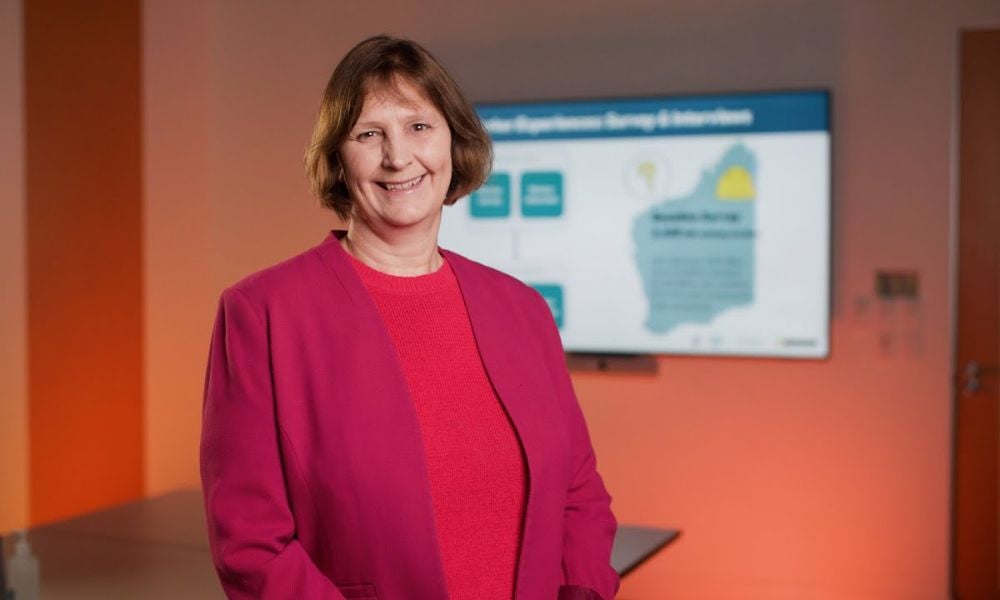
Prof. Sharon Parker said that autonomy is another buffer against burnout. “Workers’ burnout is reduced if they experience a supportive work environment and have autonomy to optimally manage the demands they face.” Negotiating priorities, flexible hours, or uninterrupted focus time can all help.
Because burnout often develops gradually, she emphasised the importance of leadership awareness. “Supervisors and managers can be trained to spot these sorts of symptoms," she said. "But I also think what is crucial is creating an environment in which staff feel safe to raise issues with their boss, peers, or some other trusted party. This way, workers can let people know early if they are struggling, preventing escalation into burnout.”
3. Create a sustainable work rhythm
While employees can’t overhaul entire systems, they can build habits that protect wellbeing. Prof. Meister underscored the importance of teamwork: “Teams that share the load, communicate openly, and look out for each other create a buffer against stress and isolation.”
She also points to structure as a key safeguard. “Predictable work patterns, realistic deadlines, and clear role expectations all reduce the risk of tipping from pressure into overwhelm.” Setting clear boundaries for after-hours communication and scheduling downtime can make a real difference. When disengagement sets in, reconnecting to purpose helps.
Learn more: Burnout and ‘quiet cracking’: Is the model of work broken?
Physical signs shouldn’t be ignored. Prof. Gordon Parker calls exhaustion “the earliest warning sign.” Ongoing fatigue, irritability, or sleep issues are cues to rest.
Prof. Meister added: “It’s all about prevention. Preventing overwhelm requires acting early and across multiple levels of the organisation. At the individual level, employees need time and permission to recover – through micro-breaks, movement, and moments of detachment that restore energy and focus. This means normalising rest as part of performance, not its opposite.”
4. Redefine what success means to you
In today’s culture of constant availability, learning to say no has become a highly underrated skill. But what if your version of success is a calm nervous system? Prof. Meister argued for “creating psychological safety for people to say, ‘I’m at my limit’ before they crash.” Speaking up, she says, is “an act of professionalism, not failure.”
Prof. Meister’s research, co-authored with Nele Dael, Research Fellow at IMD Business School, finds that 60% of overwhelming experiences originated in the workplace, most often driven by role overload, high workload, unrealistic expectations, and constant interruptions. “Overwhelm emerges at the point where demands chronically exceed our resources available to meet them," she said. "A key feature of overwhelm is that it is not an objective threshold but a subjective one. The pressures that make one person tip over may not be the same as those for another person.

“People described feeling like they had 'too many tabs open in their brain', unable to prioritise or switch off amid competing demands. Triggers include unpredictable, uncontrollable pressures – such as last-minute changes, digital overload, or unclear instructions – that create a sense of loss of control. A third of participants explicitly reported feeling they no longer had time, energy, or support to cope, and more than half experienced the physical symptoms of this strain – fatigue coupled paradoxically with heightened alertness that made it difficult to rest or recover.”
Key takeaways
Prof. Gordon Parker emphasises practical, common-sense solutions: “Educate staff about burnout. Have managers provide cogent changes to the workplace and individuals when they begin to develop burnout," he said. “See if they can address any predisposing personality style (e.g. if perfectionistic, try appropriate psychological strategies). If the manager is not supportive and/or bullying, try to find another job and just don’t stay in the firm due to dutifulness.”
Prof. Sharon Parker also cautions against misplaced optimism for the use of technologies, such as AI, to decrease burnout: “There is a tendency to believe that AI is going to be the magic solution," she said. "Unfortunately, this tends not to be true historically. Technology means sometimes people end up working harder and longer than before.”
Importantly, setting boundaries and protecting recovery time are not signs of failure or weakness – they’re strategies for sustainable performance. As workplaces evolve, employees can lead by example and step in before they reach the breaking point. “The best work comes from those who are energised, not exhausted,” Prof. Meister concluded.